Root Canal FAQ in Whittier, CA
It’s normal to feel unsure or even anxious when you hear the words “root canal”—but this common procedure is one of the most effective ways to relieve pain and save a damaged tooth. Below are answers to common questions that can help you feel more confident and informed about your care.
What causes a tooth to need a root canal?
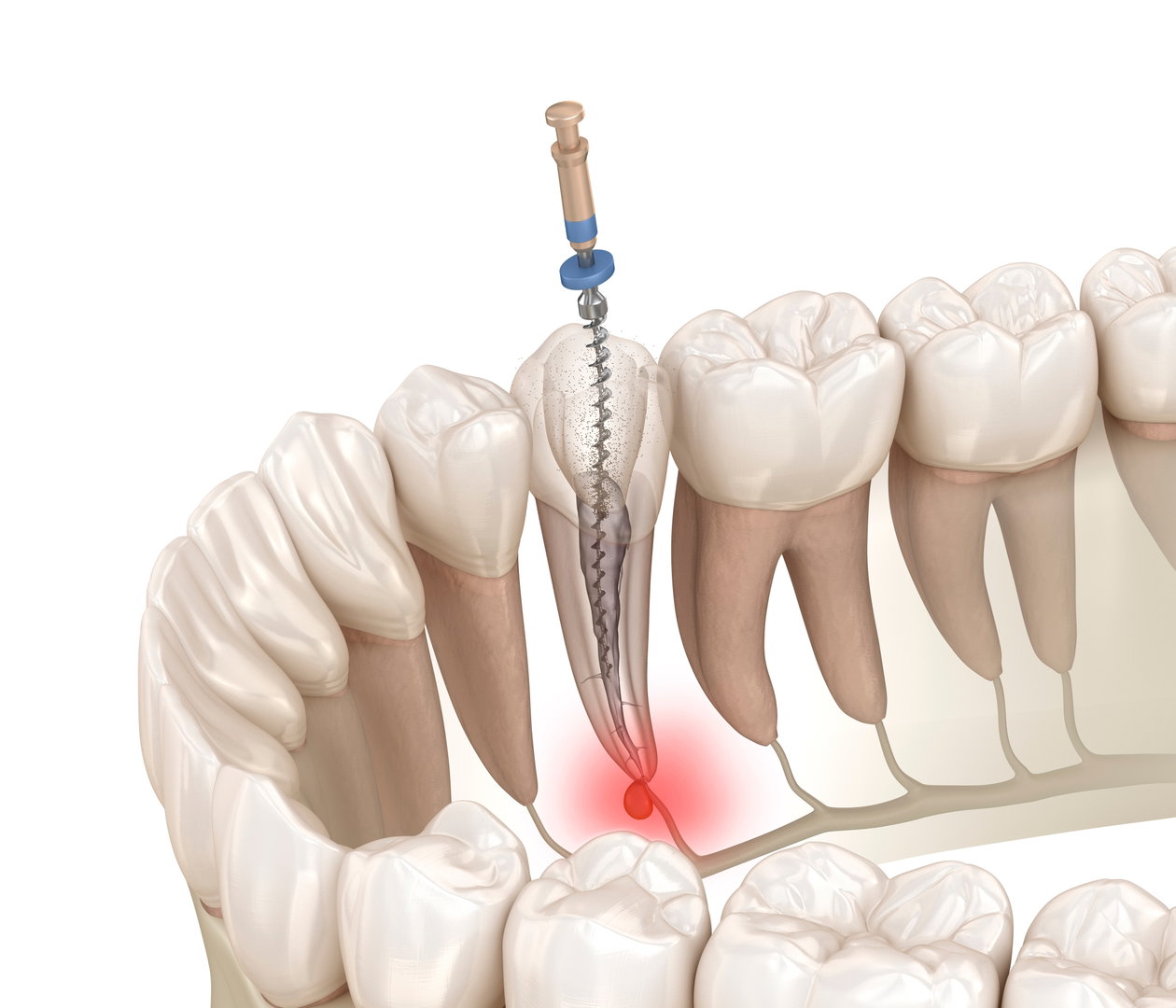
The soft tissue inside a tooth, called the pulp, can become infected or inflamed due to decay, repeated dental work, cracks, or trauma. A root canal removes this tissue and seals the space to prevent further damage.
Is a root canal painful?
Thanks to modern dentistry, root canals are not the painful experience they used to be. Most people say the procedure feels no worse than getting a filling, and they often feel much better once the infection is gone.
How can I tell if I need a root canal?
Common signs include tooth pain, sensitivity to hot or cold, swelling, or tenderness in the gums. However, some people don’t have symptoms at all. That’s why regular dental visits are important.
What happens during the procedure?
The dentist will numb the area, remove the infected pulp, clean and shape the inside of the tooth, and fill it with a rubber-like material. Often, a crown is placed afterward to protect the tooth.
Why do I need a crown after a root canal?
The tooth can become brittle after the pulp is removed. A crown restores strength and function, especially for molars and other back teeth that do a lot of chewing.
How long does a root canal take?
It usually takes one or two appointments. Each visit may last from 60 to 90 minutes, depending on the condition of the tooth.
What is the recovery like?
Most patients return to normal activities the same day. You may feel mild soreness for a few days, which is usually managed with over-the-counter pain relievers.
Can the tooth get reinfected?
It’s rare, but possible. Reinfection may occur if the tooth doesn’t heal properly, a new cavity forms, or the crown becomes loose. If that happens, retreatment may be necessary.
What are the benefits of keeping my natural tooth?
Keeping your natural tooth maintains proper chewing, prevents other teeth from shifting, and preserves the jawbone. It’s almost always better than extraction.
Have more questions? Call us today
Root canals may sound intimidating, but they’re a safe, effective way to treat pain and save your tooth. Let us know how we can help. Our team is ready to answer your questions and schedule a convenient appointment.